Reimagining Morning Work: Play-Based Exploration for Skill Building in the Classroom
Easing into the Day: The Power of Morning Exploration
Mornings in the classroom set the tone for the entire day. But let’s be honest—kids aren’t the only ones who need a moment to adjust after walking through the door. We all need time to ease into our routines, whether it’s sipping coffee, catching up with a friend, or taking a deep breath before diving into the to-do list.
For years, I’ve questioned the traditional “morning work” approach. Expecting students to sit quietly and complete worksheets the moment they arrive never felt right to me. I wanted something more meaningful, engaging, and gentle—something that honored the fact that each child’s morning looks different before they walk into school.
That’s where Morning Exploration comes in. It’s a system I created to help students ease into their day in a way that’s both playful and purposeful. Instead of traditional morning work (worksheets), my students engage in hands-on, skill-building activities that are rooted in play and exploration. This approach not only helps close learning gaps but also fosters collaboration, independence, and joy.
In this post, I’ll share how Morning Exploration works, the logistics behind it, and some of my favorite activities that have made this time a game-changer in my classroom. Whether you’re looking for ways to incorporate more play, address learning gaps, or just rethink how morning work can look in your classroom, I’ve got you covered.
Let’s dive in!
The Why Behind Morning Exploration
Before I dive into the logistics, let’s talk about why I felt a shift was needed in the first place. This year, I noticed something big: my students came in with significant learning gaps across all areas—math, literacy, and even social-emotional skills. Add to that the usual morning chaos some kids face before even getting to school, and I knew I needed to rethink how we started our day.
Traditional morning work didn’t feel like the answer. Worksheets can feel repetitive, disengaging, and honestly, like busy work. What I wanted was something intentional—an approach that supported their growth in a way that felt lighthearted yet meaningful.
I also believe mornings should offer students a chance to ease into the day. We never know what happens in a child’s life before they walk into school. Some might’ve had a hectic morning at home, skipped breakfast, or simply woken up on the wrong side of the bed. Giving them a moment to adjust before diving into academics just makes sense.
At the same time, I couldn’t ignore the learning gaps. There’s so little time in the school day to squeeze in extra practice on foundational skills. That’s where Morning Exploration comes in—a way to blend play, exploration, and skill-building into a routine that benefits everyone.
Morning Exploration isn’t just about addressing academic gaps; it’s also about fostering community and independence. It encourages collaboration, hands-on learning, and choice—all things that make learning feel less like work and more like discovery. My students genuinely love it—it’s become one of their favorite parts of the day, and honestly, it’s mine too.
The Logistics: Morning Exploration over Morning Work
When it comes to implementing Morning Exploration, keeping things simple and structured is key. I call it “Morning Exploration” instead of “Morning Work” because the focus is on open-ended exploration rather than completing tasks in a specific way. This approach fosters curiosity and creativity, allowing students to engage freely without the pressure of a specific outcome.
Here’s how I make it work in my classroom:
Daily Rotations, Weekly Variety
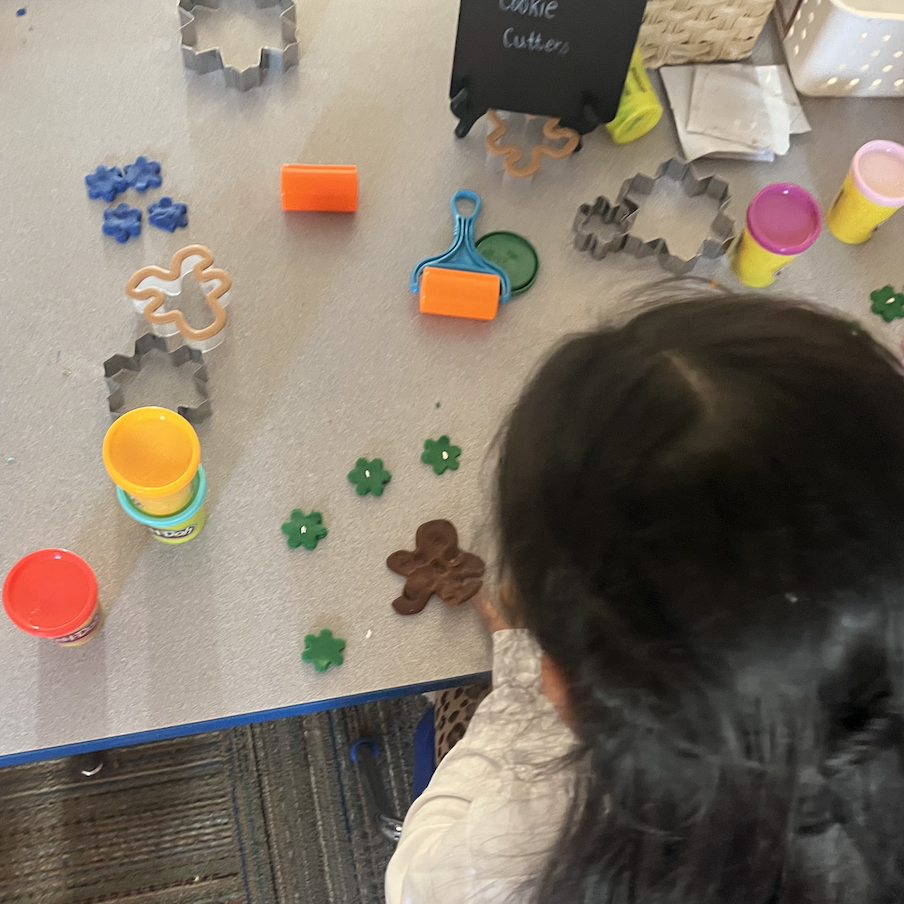
Each week, I prepare five engaging activities—one for each day. These activities are spread across tables, with each table hosting a different task. When students come in each morning, they pick their seat and begin the activity at that table.
But here’s the catch: they can’t sit at the same table two days in a row. By the end of the week, every student has experienced all five activities, worked in different spots, and collaborated with a variety of peers. This ensures not only skill practice but also social interaction and exposure to new perspectives.
Categories That Keep It Fun & Focused
The five activities I plan each week follow these categories:
- Math
- Writing
- Sight Words
- Word Work
- Games
Each activity is play-based, hands-on, and designed to reinforce foundational skills or build upon what we’re learning. I introduce the activities to the class at the beginning of the week so there’s no confusion when it’s time to get started. Clear instructions mean I can step back and let my students take charge of their learning.
Student Choice with Built-In Structure
I love giving my students a sense of independence while still maintaining a manageable framework. Choosing their own seat feels empowering, while the rotation system provides structure so everyone gets a well-rounded experience.
A Few Extra Details
Set-Up Time: It takes just a little prep at the start of the week to have everything ready to go. Each afternoon before I leave for the day, I set out the activities at the tables so they’re ready to go the next morning. It’s one less thing to think about or worry about when I get to school! Once everything is set, the system practically runs itself.
Transitions: Morning Exploration runs for about 25 minutes, accommodating varying arrival times. Some students arrive as early as 8:00, while others come closer to 8:15. This ensures that every student has at least 10 minutes to engage with the activity.
Social Opportunities: While students focus on their activities, they’re also interacting, problem-solving, and building connections with one another—a bonus that supports both academics and social-emotional learning.
Examples of Morning Exploration Activities
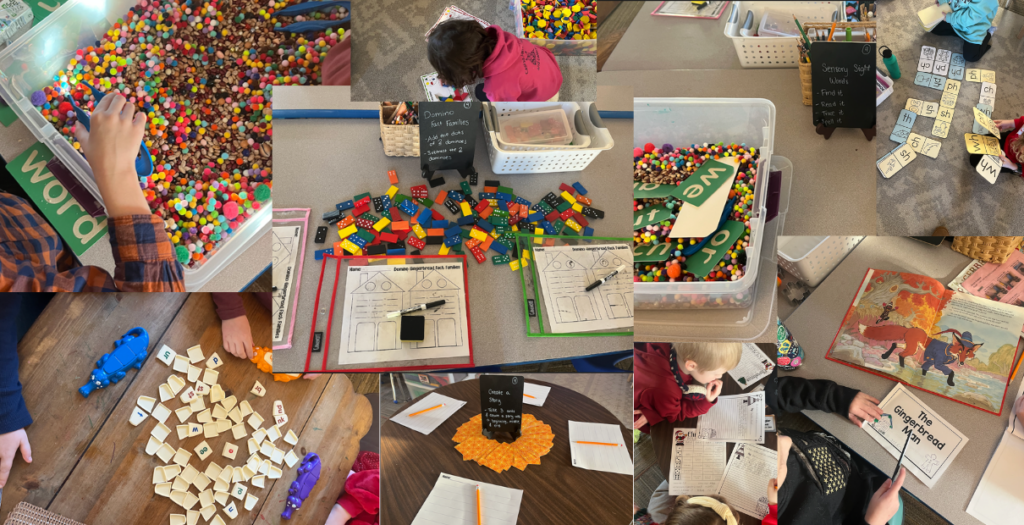
Morning Exploration activities are designed to balance meaningful skill practice with hands-on, playful engagement. Each week features a mix of math, writing, sight words, word work, and games, ensuring students get exposure to a variety of skills while keeping things fresh and exciting. Here are some examples to inspire your own Morning Exploration setup:
Math Activities
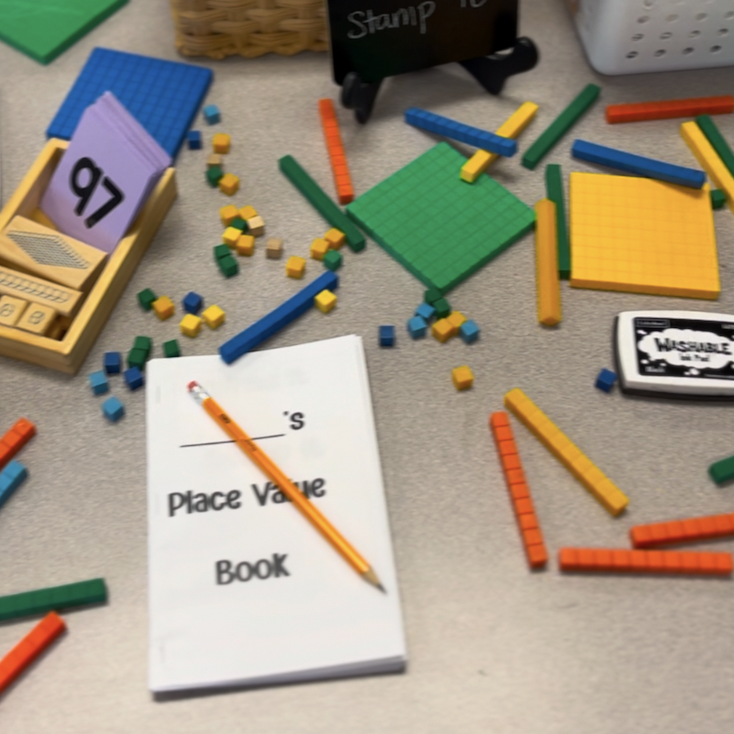
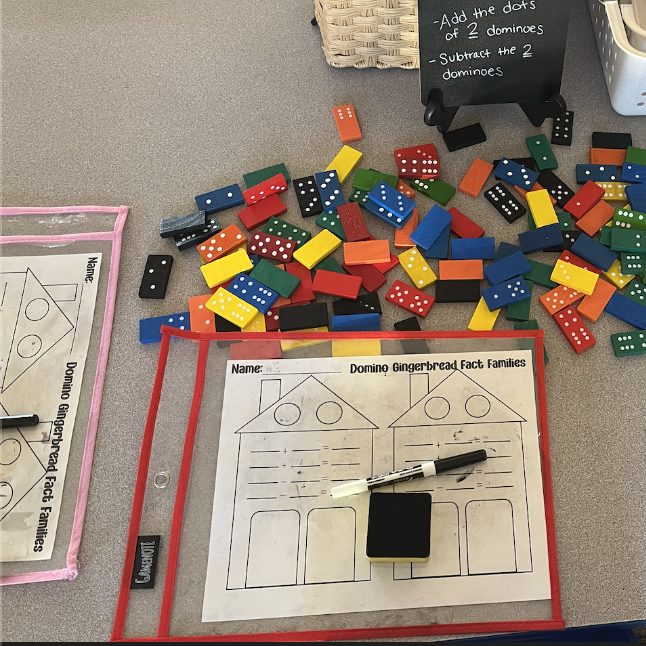
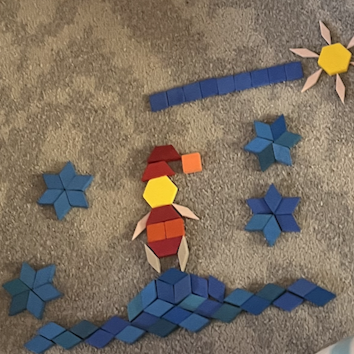
Place Value Stamps & Blocks: Students use place value stamps and blocks to build and compare numbers, strengthening foundational math concepts in a tactile way.
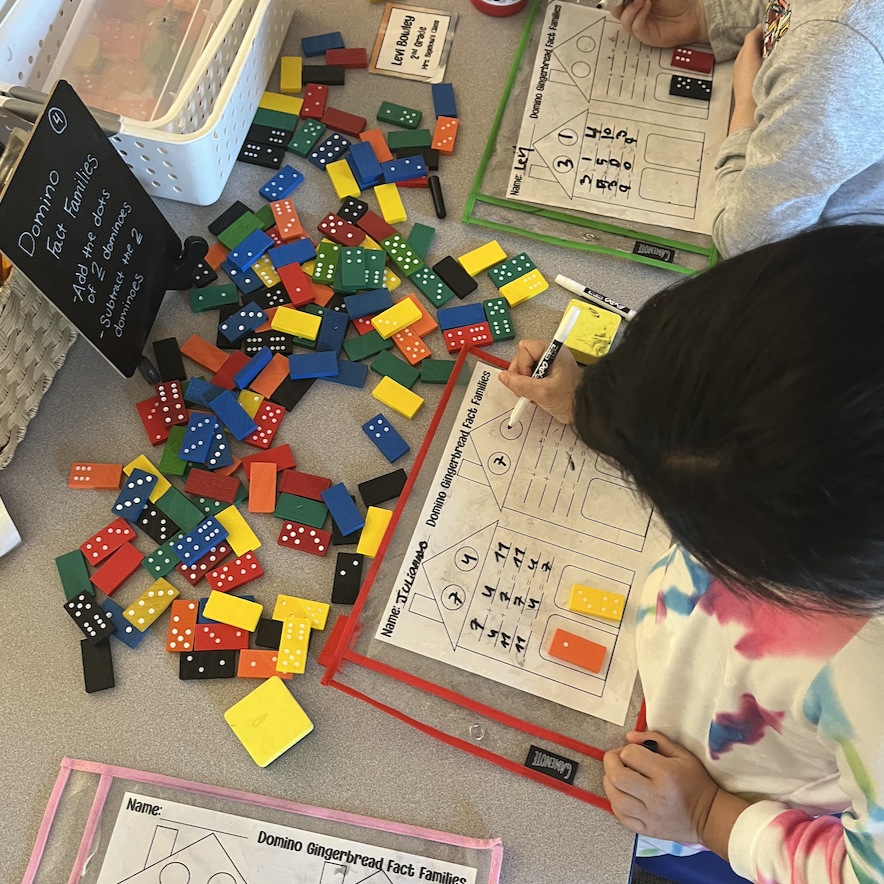
Fact Families with Dominoes: Students create fact family equations by using dominoes, combining creativity and computation.
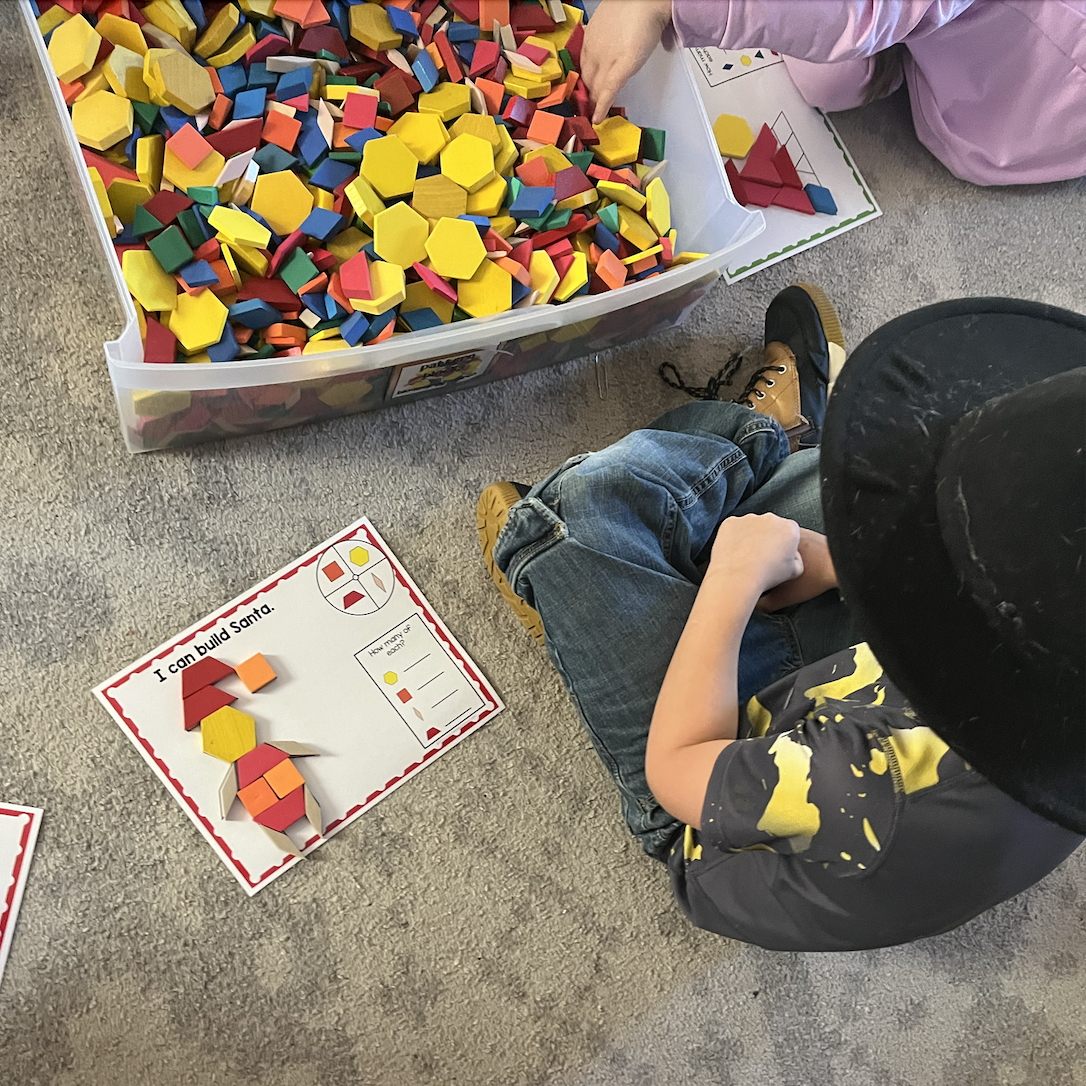
Pattern Block Puzzles: Encourage students to explore shapes, symmetry, and spatial reasoning by creating designs with pattern blocks.
Writing Activities
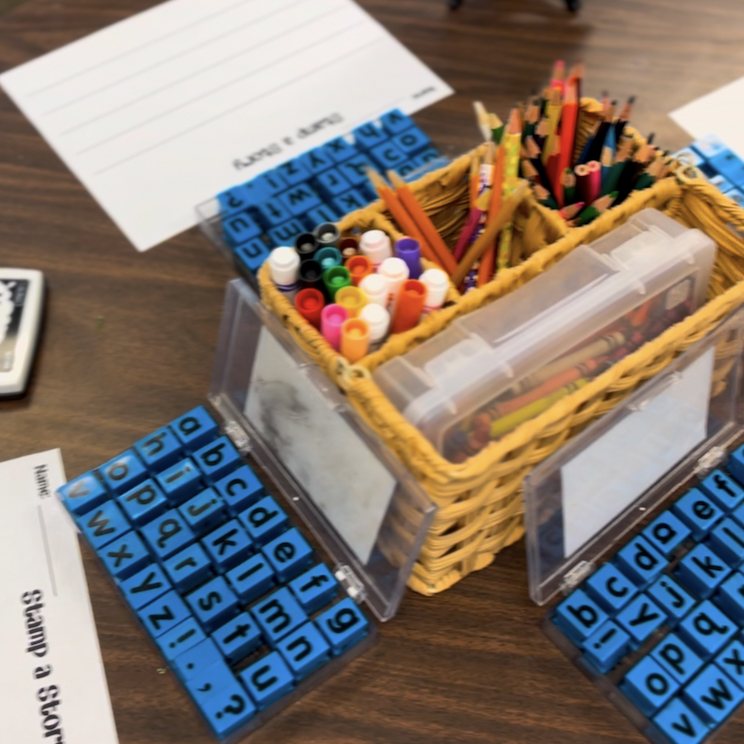
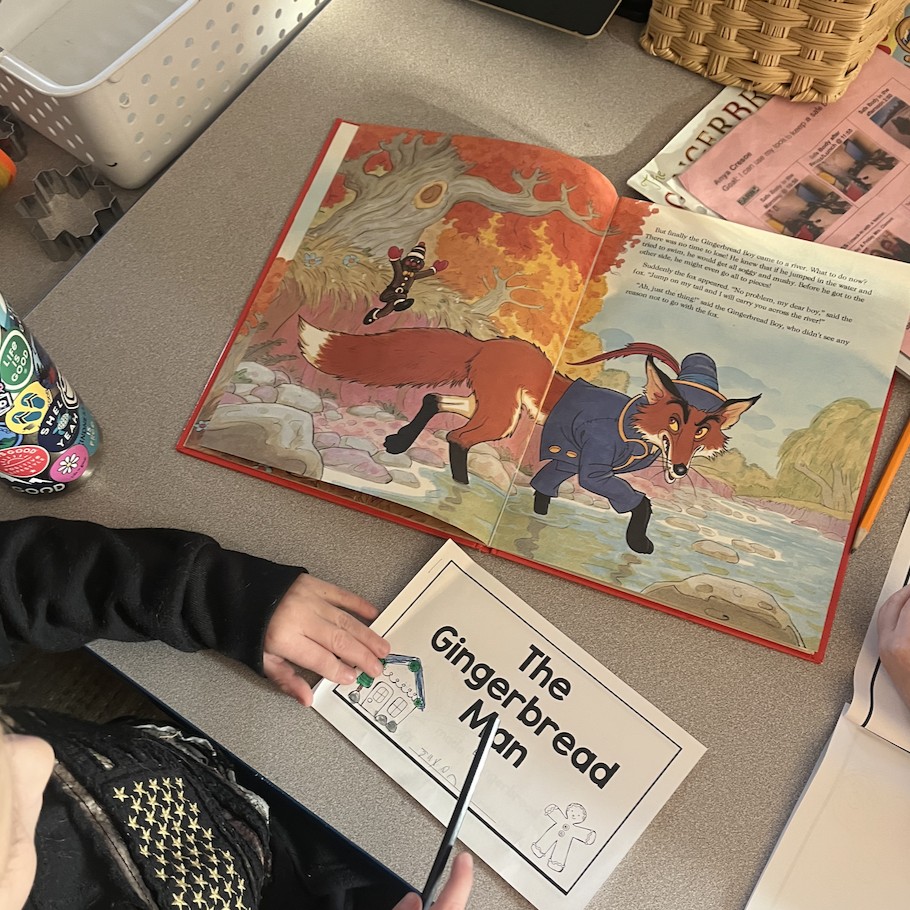
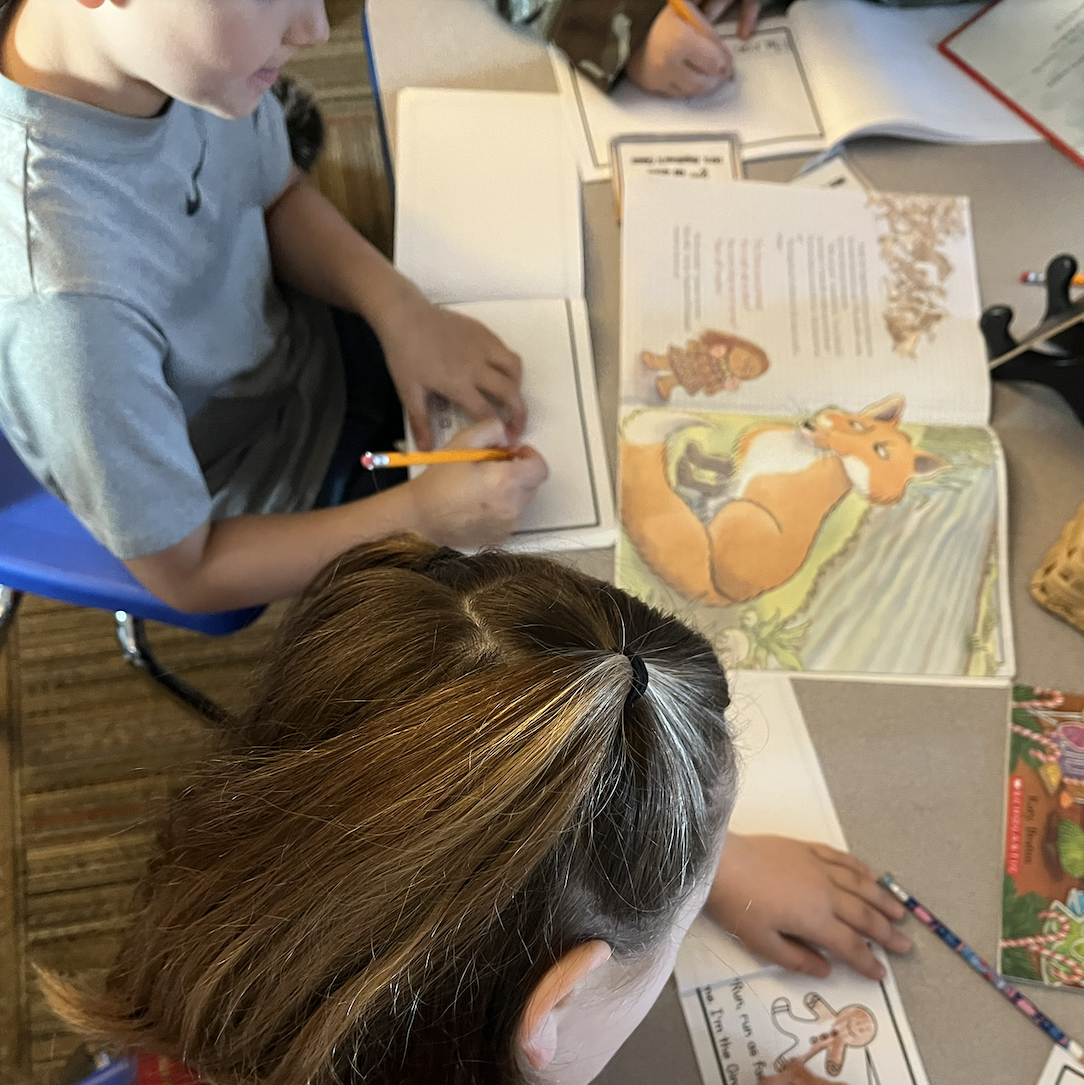
Stamp a Story: Students use letter stamps to create words and build imaginative stories. This activity is always a hit because it combines writing with creative play.
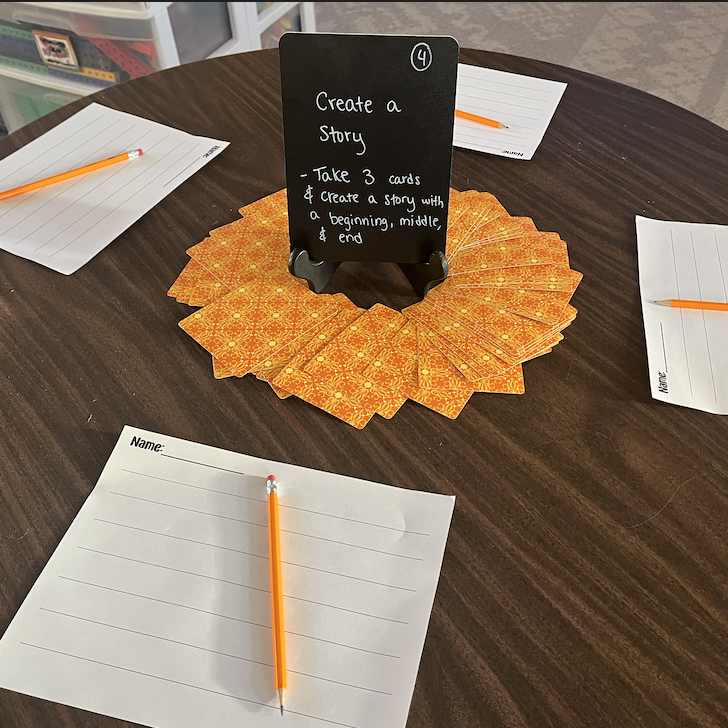
Create-a-Story Cards: Students select three picture cards and use them as prompts to write a short story with a beginning, middle, and end.
Silly Sentences: Students pick random words from different categories (like nouns, verbs, and adjectives) to create funny and unexpected sentences.
Sight Word Activities
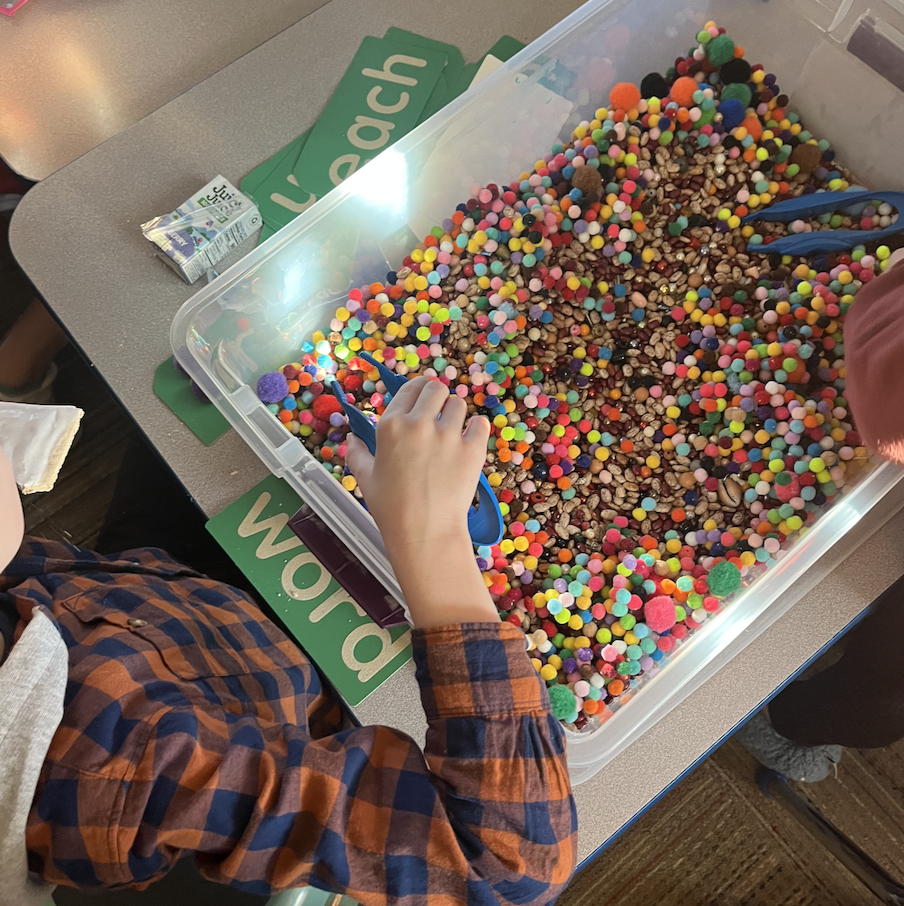
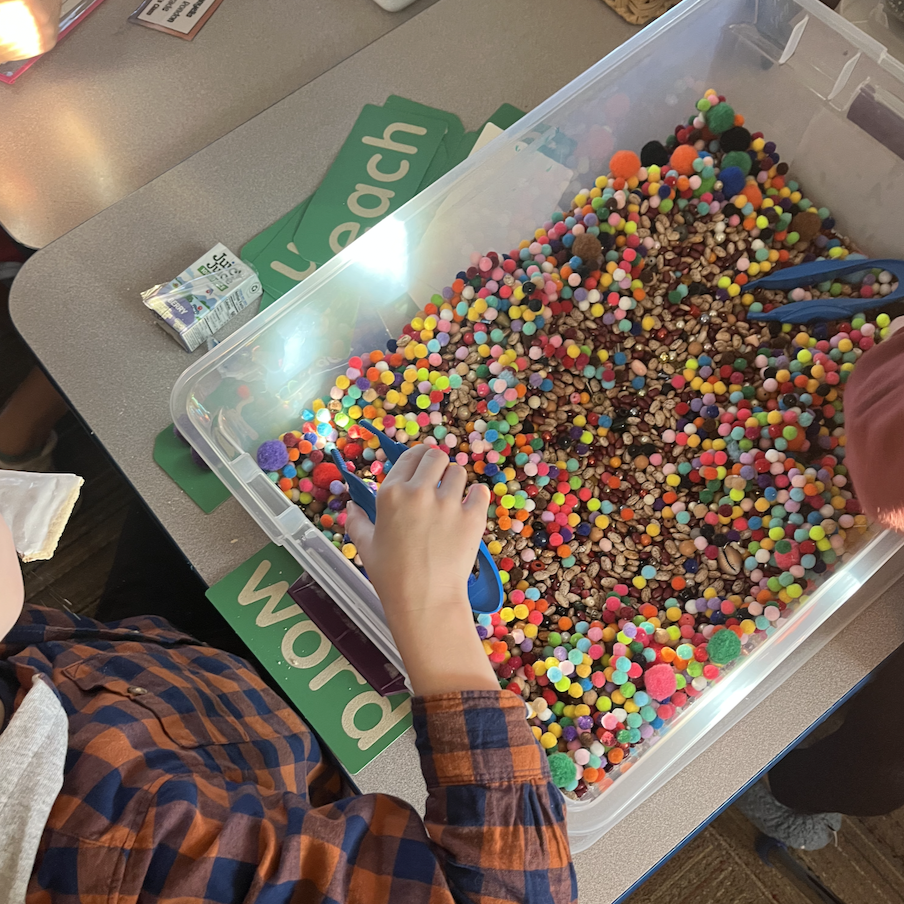
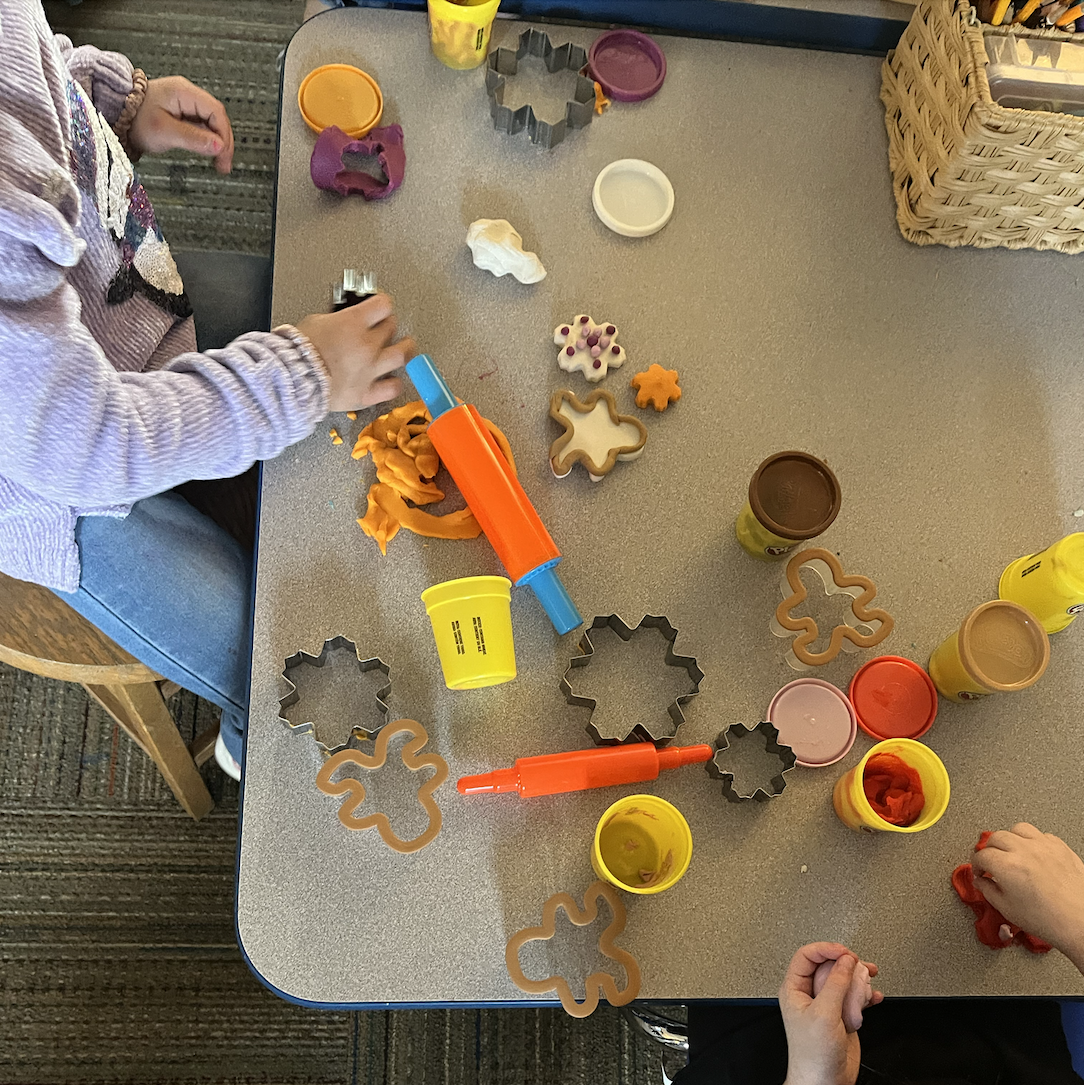
Sensory Sight Words: Hidden sight word cards are placed in sensory bins filled with materials like sand, rice, or pom-poms. Students search for the cards, then read and write the words they find.
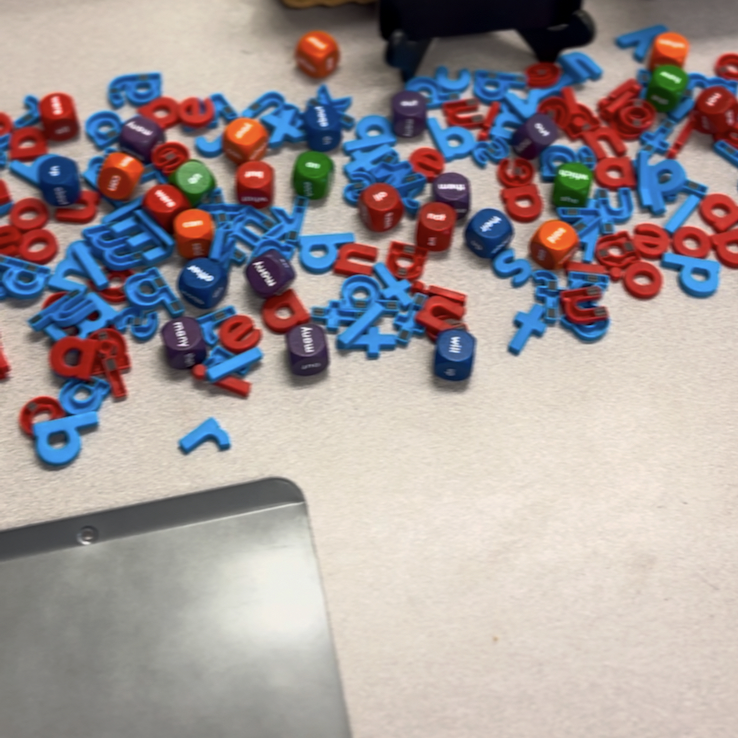
Sight Word Dice: Students roll dice with sight words on the sides and practice reading, writing, or using them in sentences.
Building Sight Words with Magnet Letters: Students use magnetic letters to spell out their sight words on a magnetic board.
Word Work Activities
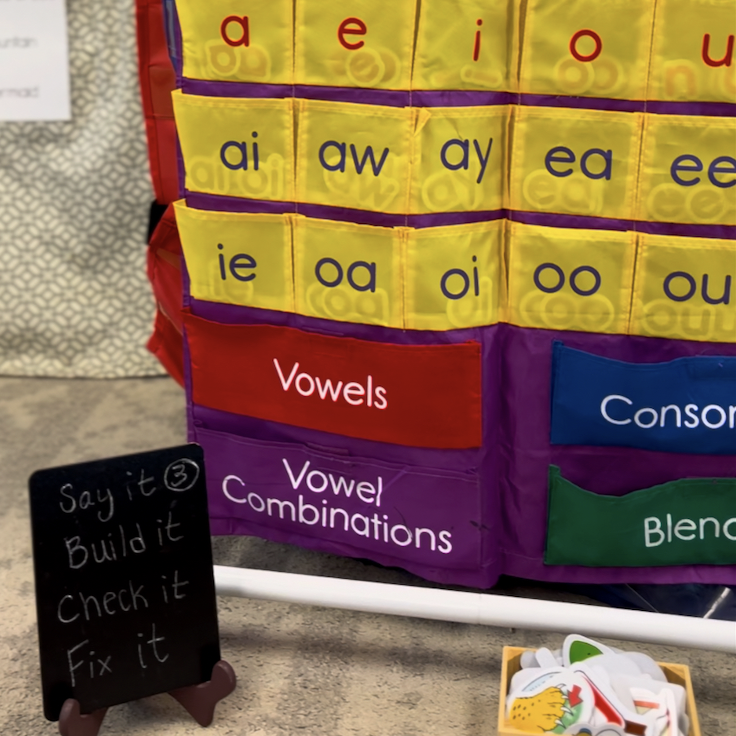
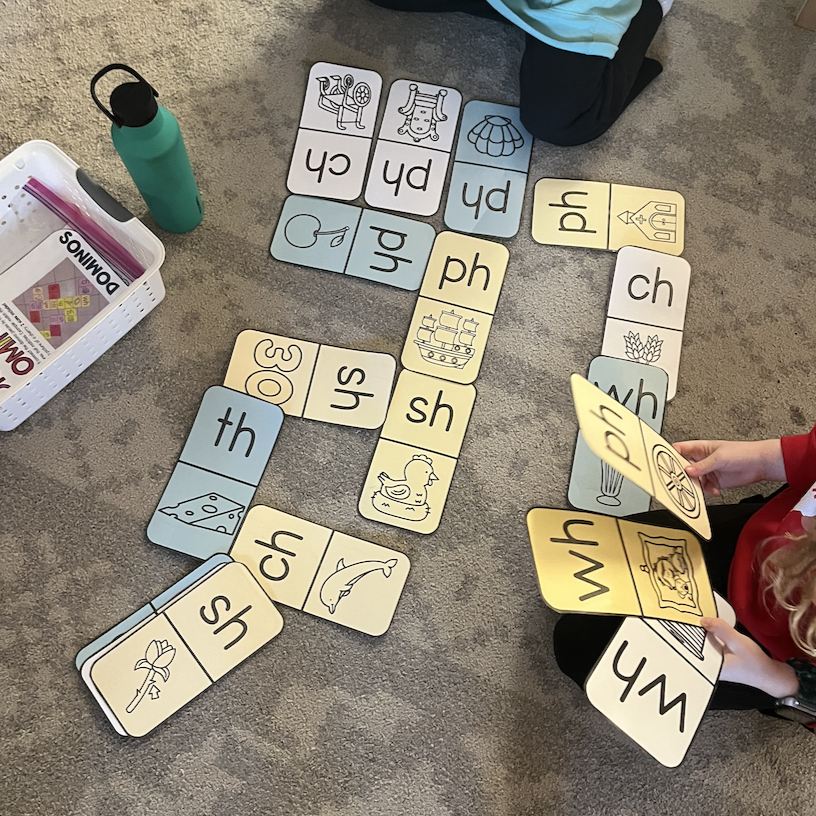
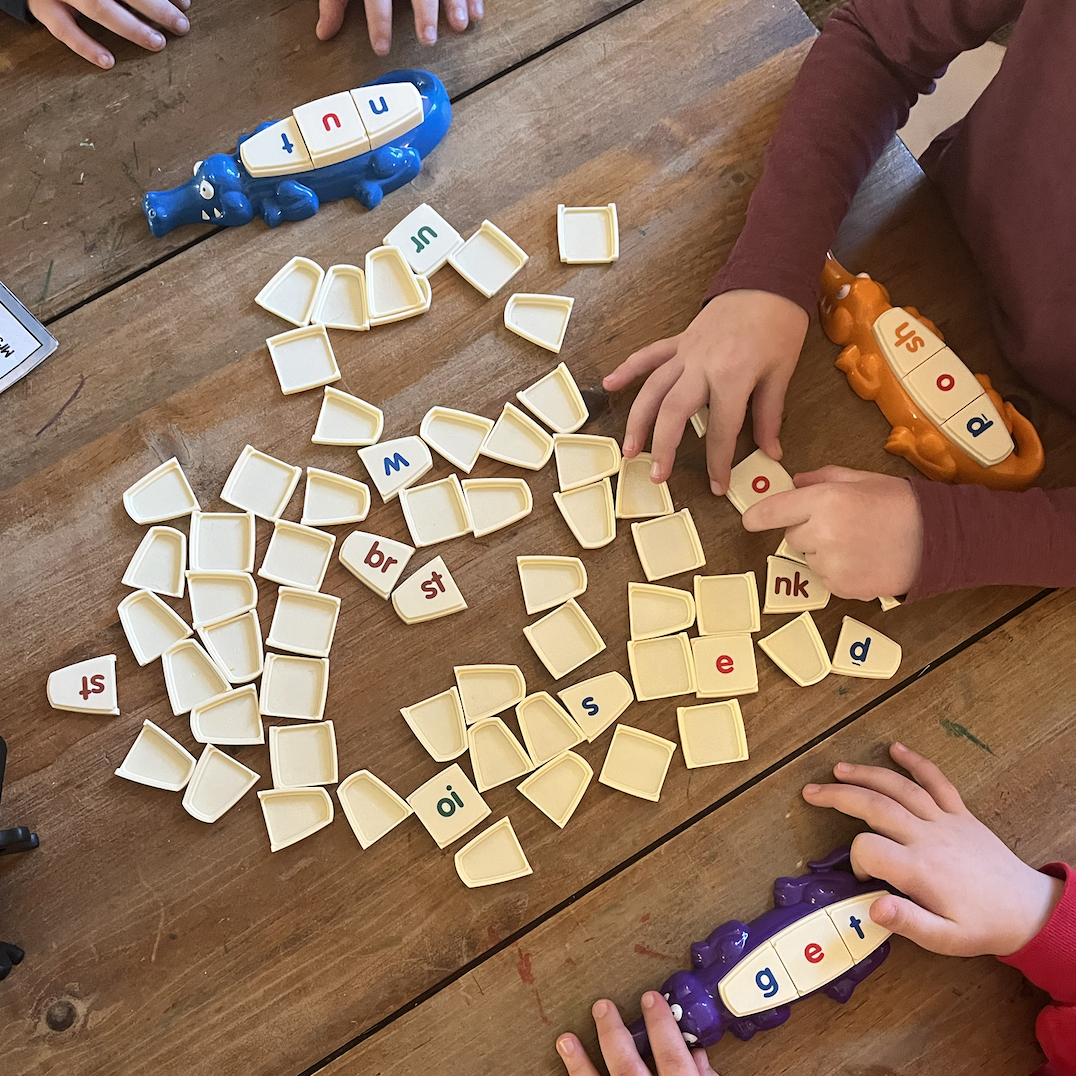
Floor Digraph Dominoes: Students match digraphs to pictures that start with those sounds, practicing phonics in a fun and active way.
Word Building Station: Using picture cards and letter tiles, students build the names of the pictures they see, reinforcing spelling and vocabulary.
Crack-the-Code: Students use a code to decode a series of picture clues to figure out the word (e.g., apple = a, burger = b, cat = c, etc.). Once they solve the word, they build it using magnet letters.
Game Time
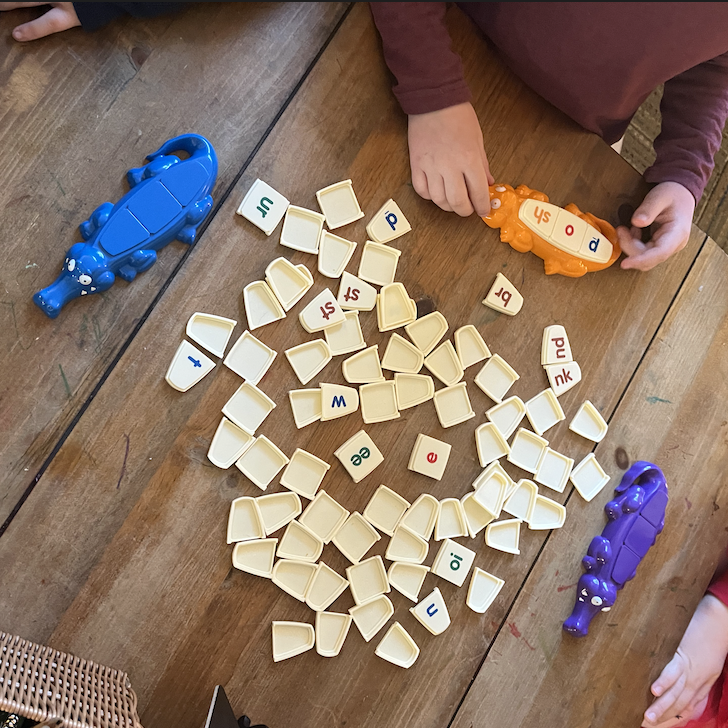
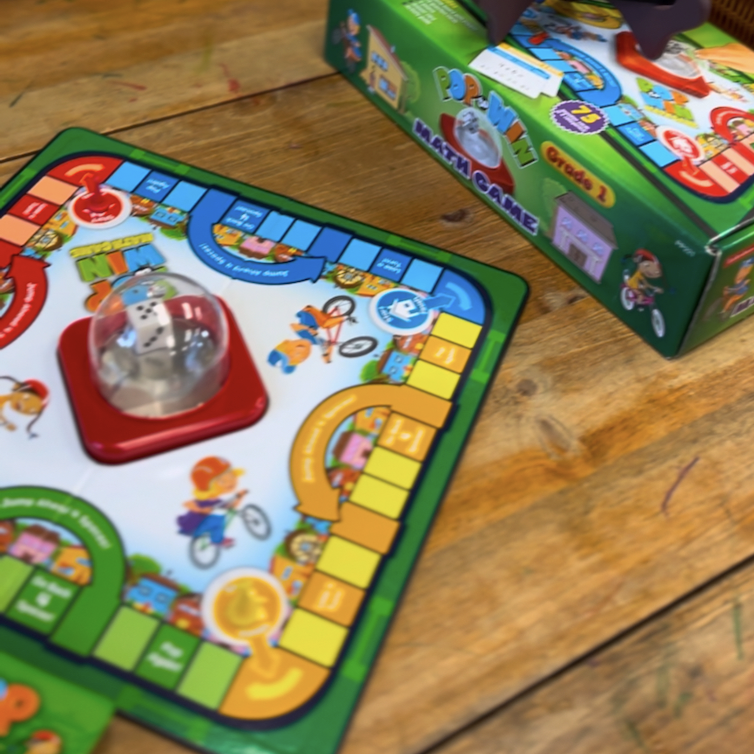
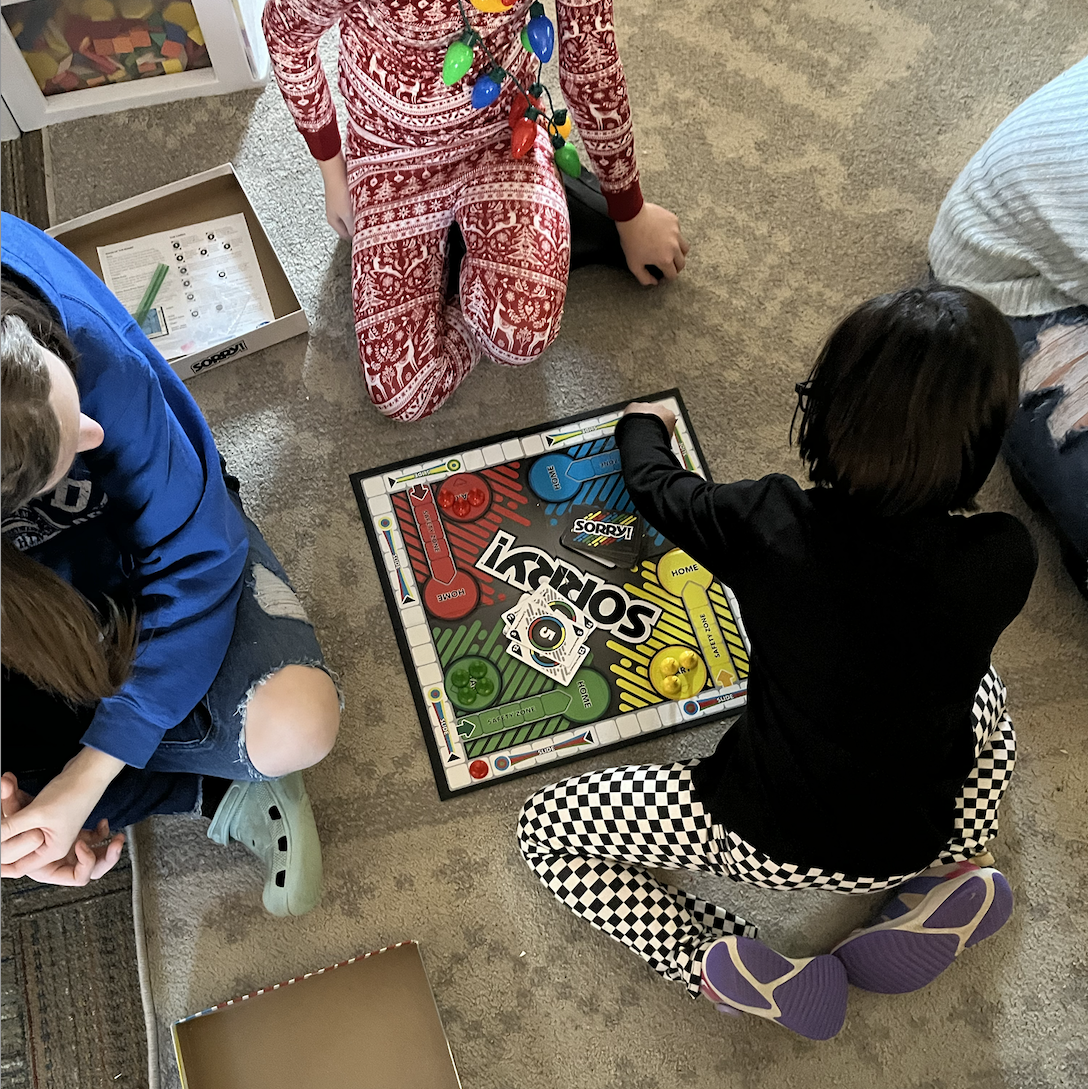
Board and Card Games: Games like Uno, Connect Four, or Sorry! encourage turn-taking, problem-solving, and teamwork while building students’ social-emotional skills.
Math & Literacy Games: Activities like “Pop to Win” math game or “Spelligators” focus on specific skills while keeping the atmosphere fun and light.
Just-for-Fun Games: Sometimes, the focus isn’t academic. Games like Jenga or cooperative building challenges offer students a chance to work on skills like communication, winning and losing gracefully, and problem-solving.
These activities are not only fun but also purposeful. They give students the opportunity to strengthen their academic skills, collaborate with peers, and start their day on a positive and fun note. Best of all? The variety keeps things engaging and ensures there’s something for everyone!
Tips for Implementing Morning Exploration
Ready to dive into Morning Exploration in your classroom? Here are some tips to make it smooth and stress-free, for you and your students:
1. Keep It Simple
Choose activities that are hands-on and engaging but don’t require excessive prep time. Use materials you already have on hand—like dominoes, letter stamps, or sensory bins—and rotate them weekly to keep things fresh.
2. Prep Ahead
Take a few minutes each afternoon to set up the activities at the tables. Having everything ready before you leave ensures a calm start to your morning, and you won’t have to scramble to get things set up as students arrive.
3. Teach the Routine
Introduce the week’s activities on Monday so students know what to do and can work independently. This saves you time from reteaching directions daily and helps students feel confident in their choices.
4. Foster Choice & Variety
Allow students to choose where they sit each day, giving them ownership of their morning. By the end of the week, they’ll have rotated through all the activities and worked with different peers, fostering collaboration and social-emotional growth.
5. Observe & Adjust
Pay attention to what’s working and what isn’t. Are students consistently engaged? Are some activities too challenging or not challenging enough? Don’t be afraid to tweak activities or swap them out entirely based on your students’ needs.
6. Make It Fun for You, Too
Morning Exploration isn’t just about the students—it should make your mornings easier and more enjoyable, too. Seeing their excitement as they explore and learn can be a joyful way to start your day.
The Impact of Morning Exploration
The impact of Morning Exploration has been more meaningful than I ever imagined. It’s become a favorite part of the day for my students, their families, and me.
Each Friday during our morning meeting, I ask my students to share their favorite part of the week, and every single time, Morning Exploration is at the top of their list. They love the hands-on, playful activities, and every Monday, they walk in buzzing with excitement to see what’s waiting for them at their tables.
Families have noticed the impact too. One parent reached out to share, “My child’s favorite part of the day! They talk about it in great detail as soon as I pick them up!” Knowing that Morning Exploration resonates at home makes it all the more rewarding.
For me, switching from traditional morning work has been a game-changer. Watching every single student engaged, focused, and on-task—something that doesn’t always happen during other parts of the day—has been so rewarding. It’s given me valuable insight into what my students know and where they need support. Plus, having activities set out and ready each morning has made our mornings less chaotic and more intentional.
Morning Exploration has truly transformed how we start our day, creating a joyful, productive space for everyone to begin on the right foot. It’s not just my students’ favorite part of the day—it’s mine too.
Ditch Morning Work for Morning Exploration
Ditching traditional morning work has completely transformed our mornings, turning what could be a chaotic start into something purposeful, engaging, and joyful. Instead of worksheets, Morning Exploration offers hands-on, play-based activities that allow my students to ease into their day, build social-emotional skills, and strengthen their academic abilities—all while having fun.
If you’ve been searching for a way to rethink morning work, I hope this post inspires you to try something new in your classroom. Start small, make it work for you, and trust that your students will love it as much as mine do. Morning Exploration has not only become a highlight of the day for my students but also a source of joy and calm for me.
Your mornings can be magical too. Why not give it a try?
December 28, 2024
Karyn Bigelow
Leave a Reply

i’m here to remind teachers that while we pour our hearts into our students, we deserve to pour into ourselves too. from setting healthy boundaries to creating joyful, intentional spaces at home, it’s all about finding balance. whether you’re looking for teaching tips, wellness inspiration, or ways to live more fully, this space is for you.
